About Cool Soft Wash

Siding
Solar Panels
Siding
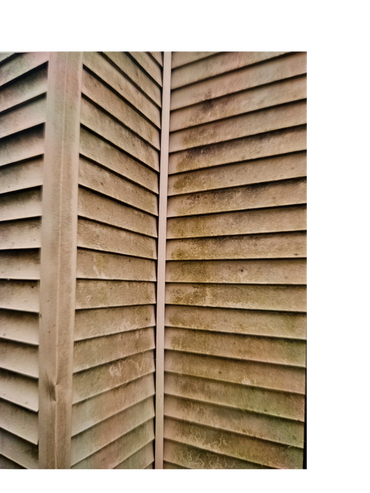
The green stuff on your siding is likely algae, mold, or mildew that thrives on accumulated dirt, dust, and pollen. This growth flourishes in shady, damp, or humid areas—often found on the north side of a house—and is aggravated by poor airflow, nearby trees, or leaky gutters. To combat this issue, consider using pressure washing or roof
The green stuff on your siding is likely algae, mold, or mildew that thrives on accumulated dirt, dust, and pollen. This growth flourishes in shady, damp, or humid areas—often found on the north side of a house—and is aggravated by poor airflow, nearby trees, or leaky gutters. To combat this issue, consider using pressure washing or roof cleaning services, as well as soft wash solutions, to effectively remove these unwanted contaminants.
Roof
Solar Panels
Siding
Black streaks on your roof are typically caused by a resilient, blue-green algae known as Gloeocapsa magma. This organism spreads through airborne spores, thrives in warm, humid climates, and feeds on the limestone filler found in modern asphalt shingles, creating dark, unsightly streaks that are especially common on shaded or north-facin
Black streaks on your roof are typically caused by a resilient, blue-green algae known as Gloeocapsa magma. This organism spreads through airborne spores, thrives in warm, humid climates, and feeds on the limestone filler found in modern asphalt shingles, creating dark, unsightly streaks that are especially common on shaded or north-facing roofs.
Why It Happens:
The algae flourishes in moist, shaded areas, feeding on the mineral fillers in shingles. It is more prevalent on older roofs or in humid environments, often spreading from neighboring roofs.
Is It Harmful?
While primarily a cosmetic issue that diminishes curb appeal, the algae can cause premature aging of shingles, retain moisture leading to moss and mildew growth, and decrease the roof's energy efficiency by absorbing heat.
How to Remove It:
Avoid using pressure washing, as it can damage or destroy shingles. Instead, opt for a 'soft wash' approach, applying specialized roof cleaning solutions that often include a mix of water, bleach, or sodium hypochlorite to eliminate the algae, followed by a gentle rinse.
How to Prevent It:
Install copper or zinc strips along the ridge of your roof. Rainwater will wash metal ions down, which are toxic to algae and help prevent future growth. When replacing a roof, consider choosing algae-resistant shingles, which commonly feature copper-infused granules.
Solar Panels
Solar Panels
Solar Panels
Solar panels are likely dirty if you notice a visible layer of dust, grime, bird droppings, or pollen, or if your monitoring system shows a 6–8% or greater drop in power output. While rain often helps clean panels, they generally require professional cleaning, such as pressure washing or soft wash solutions, 2–4 times a year to maintain p
Solar panels are likely dirty if you notice a visible layer of dust, grime, bird droppings, or pollen, or if your monitoring system shows a 6–8% or greater drop in power output. While rain often helps clean panels, they generally require professional cleaning, such as pressure washing or soft wash solutions, 2–4 times a year to maintain peak efficiency, especially in dry, dusty, or high-pollution areas. Regular roof cleaning is essential to ensure optimal performance.
Dirty Siding